
FHA vs Conventional Loans in Maine: Which Is Better for You?

Choosing between an FHA vs conventional loan is one of the first big decisions you'll make as a Maine home buyer. Both can get you into a home with a small down payment, but they handle credit, mortgage insurance, and the home itself very differently. The right choice can save you thousands over the life of your loan.
Here's a plain-English breakdown of the difference between FHA and conventional loans, with real numbers for a typical Central Maine home.
What Is an FHA Loan?
An FHA loan is a mortgage insured by the Federal Housing Administration. Because the government backs it, lenders can be more flexible on credit and down payment. Key 2026 features:
- Down payment: 3.5% with a credit score of 580 or higher (10% with scores of 500 to 579)
- Upfront mortgage insurance (UFMIP): 1.75% of the loan, usually rolled into the loan amount
- Annual mortgage insurance (MIP): most buyers putting down less than 5% pay 0.55% per year, split into monthly payments
- How long MIP lasts: for the life of the loan with less than 10% down, or 11 years with 10% or more down
- Loan limit: $541,287 for a single-family home in Kennebec County and most of Maine in 2026
- Occupancy: must be your primary residence (owner-occupied 2-4 unit homes qualify)
What Is a Conventional Loan?
A conventional loan isn't government-insured. Most follow Fannie Mae and Freddie Mac guidelines. Key 2026 features:
- Down payment: as low as 3% for eligible first-time buyers, otherwise typically 5% or more
- Credit score: usually 620 minimum, and pricing improves a lot as your score goes up
- Private mortgage insurance (PMI): required with less than 20% down, priced based on your credit and down payment
- Removing PMI: you can request removal at 20% equity, and it drops off automatically at 22%
- Loan limit: $832,750 for a single-family home in 2026
- Occupancy: can be used for primary homes, second homes, and investment properties
FHA vs Conventional: Side-by-Side Comparison
| FHA Loan | Conventional Loan | |
|---|---|---|
| Minimum down payment | 3.5% | 3% to 5% |
| Typical minimum credit score | 580 | 620 |
| Upfront mortgage insurance | 1.75% of loan | None |
| Monthly mortgage insurance | Usually 0.55%/yr, often for the life of the loan | Varies with credit, removable at 20% equity |
| 2026 loan limit (Kennebec County) | $541,287 | $832,750 |
| Second homes and investments | No | Yes |
| Appraisal condition standards | Stricter | Standard |
Real Numbers on a $275,000 Waterville Home
Waterville's median sale price was about $273,000 in late summer 2026, so here's how the two loans compare on a $275,000 purchase. These examples use the same 7.18% rate (Freddie Mac's 30-year average on November 5, 2026) to keep things simple. In real life FHA rates often come in a bit lower, while conventional pricing depends heavily on credit.
| FHA (3.5% down) | Conventional (5% down) | |
|---|---|---|
| Down payment | $9,625 | $13,750 |
| Loan amount | $270,019 (includes $4,644 UFMIP) | $261,250 |
| Est. principal & interest | about $1,830/mo | about $1,770/mo |
| Est. mortgage insurance | about $122/mo | roughly $110 to $220/mo depending on credit |
| Can mortgage insurance go away? | Not without refinancing | Yes, at 20% to 22% equity |
The takeaway: FHA gets you in with less cash, while conventional usually costs less over time if your credit is solid. Run your own scenarios with our mortgage calculator.
FHA or Conventional: Which Is Better?
An FHA loan may be better if you:
- Have a credit score below about 680
- Have a higher debt-to-income ratio
- Are working with a smaller down payment or gift funds
- Want to buy an owner-occupied 2-4 unit property with a low down payment
A conventional loan may be better if you:
- Have a credit score of about 700 or higher
- Can put down 5% to 20%
- Want mortgage insurance to go away without refinancing
- Are buying a second home, camp, or investment property
- Want your offer to look as strong as possible to a seller
Why Your Loan Type Matters to Maine Sellers
FHA appraisals check that the home meets HUD's minimum property standards. In Central Maine, where much of the housing stock is older, that can flag items like peeling paint on pre-1978 homes, roofs near the end of their life, missing handrails, or heating issues. Those repairs usually have to be done before closing, which is why some sellers favor conventional offers in a multiple-offer situation.
That doesn't mean FHA buyers can't win. A strong pre-approval, a reasonable inspection plan, and an agent who knows how to present your offer go a long way. If you're a seller weighing offers, I'll walk you through what each loan type means for your timeline and bottom line. See how I help on the listing side.
Don't Forget Maine First-Time Buyer Programs
MaineHousing's First Home Loan program offers competitive rates for eligible first-time buyers and can pair with FHA and other loan types, and its Advantage down payment assistance has offered up to $5,000 toward down payment and closing costs. Income and purchase price limits apply, so ask an approved lender what you qualify for.
Next Steps
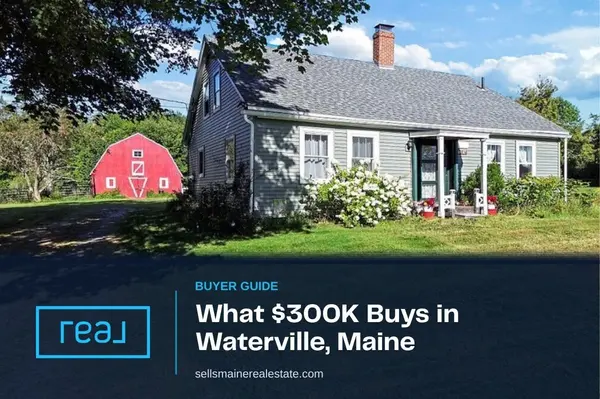
Talk with a lender about both options, ask for a Loan Estimate on each, and compare the total cost over the years you plan to own the home. Then start browsing homes for sale in Central Maine. Curious what your budget buys? Read what $300,000 buys you in Waterville, and see how I help buyers from pre-approval to closing.
Frequently Asked Questions
What is the main difference between an FHA and a conventional loan?
FHA loans are government-insured and allow lower credit scores and 3.5% down, but carry upfront and often lifetime mortgage insurance. Conventional loans need stronger credit but let you drop mortgage insurance once you reach 20% equity.
Is FHA or conventional better for first-time home buyers?
It depends on credit and savings. Buyers with scores under about 680 or limited savings often do better with FHA. Buyers with strong credit and 5% or more down usually save money with conventional.
What are the 2026 FHA loan limits in Maine?
The FHA limit for a single-family home is $541,287 in Kennebec County and most Maine counties for 2026. The conforming conventional limit is $832,750.
Do sellers prefer conventional offers over FHA?
Some do, because FHA appraisals have stricter property condition standards. A well-prepared FHA offer can still be very competitive, especially on homes in good condition.
Loan figures reflect 2026 FHA and FHFA limits and Freddie Mac rate data from November 2026. Payment and mortgage insurance estimates are for illustration only and are not a loan offer. Corey Lee is a Realtor, not a lender, so talk with a licensed mortgage professional about your situation.
Have questions about buying in Central Maine? Call or text Corey Lee at (207) 314-8443.



GET MORE INFORMATION